Controlled Demolition
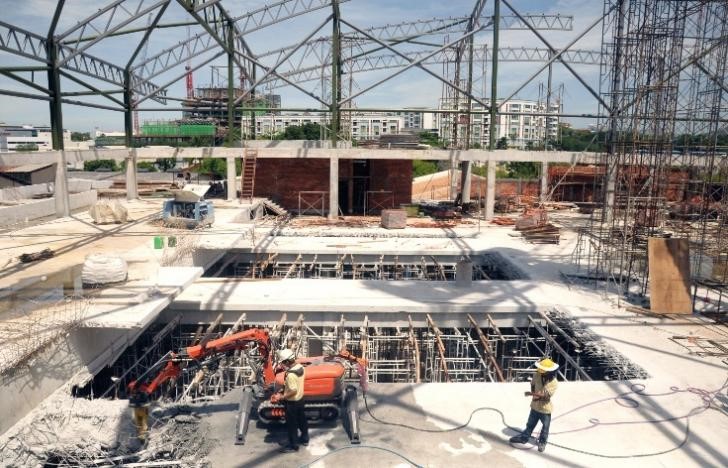
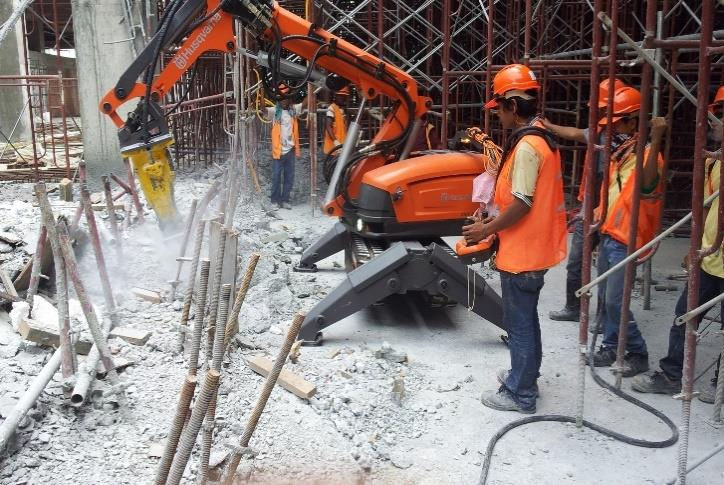
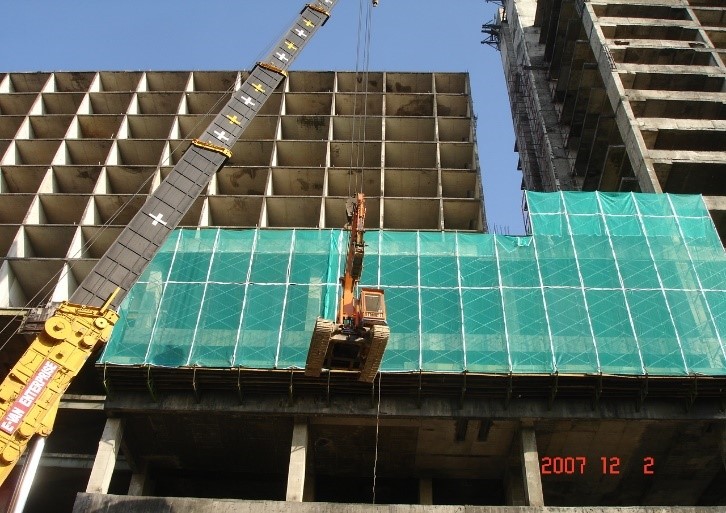
We have completed numerous demolition projects, all of which were executed swiftly, precisely, and cleanly. Controlled demolition is crucial for safely dismantling buildings and structures. We employ a variety of techniques, including conventional, mechanical, and concrete bursting or splitting methods. For interior concrete removal, we utilize selective robotic demolition, employing compact excavators equipped with hydraulic or electric arms to ensure efficient demolition.
When Controlled Demolition are used for?
Controlled demolition is used when safety, precision, and minimizing impact on surrounding environments are paramount. It is especially important in sensitive or densely populated locations where using traditional demolition techniques could provide problems, like Selangor and Kuala Lumpur, Malaysia, where the majority of the area is inhabited by people. For projects that need for the selective demolition of buildings, including partial building removals or remodeling where maintaining specific architectural components is vital, controlled demolition is also necessary. It is also perfect in scenarios where the least amount of noise and vibrations is required to prevent upsetting buildings nearby or residents and area such as hospital or school.
Key Benefits
- Increases safety by assuring the public's and employees' well-being and lowering the possibility of inadvertent damage to nearby structures.
- Precision of this method makes it possible to dismantle buildings with care, allowing for selective demolition that protects infrastructure and architectural features.
- Reduced Environmental Impact because it produces less noise, dust, and trash.
- Controlled demolition employs advanced technology methods and equipment that accelerate the demolition process, making it faster than traditional approaches.

Hydraulic Splitting
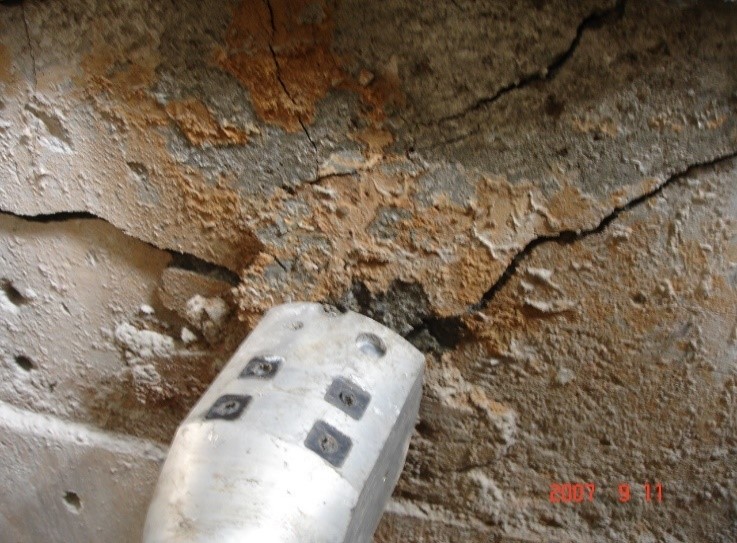
Our hydraulic splitting technique is designed for precision splitting of natural rock and concrete. Utilizing hydraulic pressure, this method achieves accurate splitting with minimal environmental impact and cost-effectiveness. The hydraulic splitter is expanded in pre-cored holes, causing the material to split and break apart for easier removal or feather breaking. Additionally, powerful hydraulic bursters are inserted into pre-drilled holes to silently split concrete into sections, making it ideal for removing foundations, machine bases, and more, while easily separating from the reinforcement bar.
Demolition
We employ various methods to determine the optimal approach for demolishing structures, walls, and more. By integrating services like diamond sawing and coring with our robotic demolition machines, we achieve faster and more cost-effective results, thanks to reduced human labor and fewer errors.